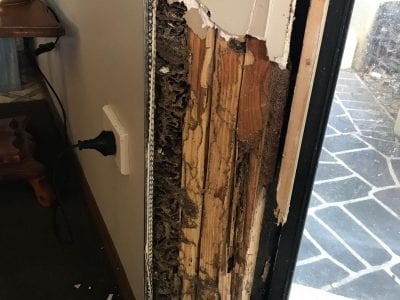
Termites are small in size and soft bodied insects. They build a central colony nest from which they construct underground tunnels that radiate in a 100 metre radius from a central colony nest in search of a timber (cellulose) food source.
Termites travel in humidified mud-shelter tubes or galleries…
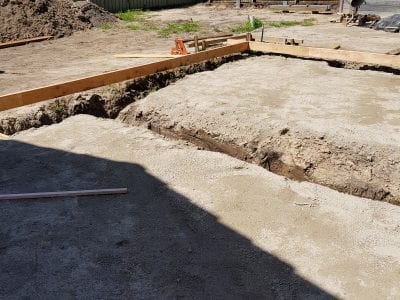
Termites travel in these mud shelter tubes as protection from predators, sun-burn, dehydration and to maintain a high humidity environment which is essential for their survival.Termites are highly secretive, preferring to enter a building through areas inaccessible to inspection, such as, through in-fill patios, fire heaths, expansion joints and cracks in concrete slab (on-ground) flooring.Termites can pass through a 2 mm crack or an expansion joint (eating through the rubber compound) between adjoining concrete on ground flooring. They can also travel under parquetry and floor tiles to get to the wall framing timbers.
There are some things that you can do to ensure you lessen the chance of attracting termites to your house:
- Don’t affix trellises, fencing or landscaping to exterior walls.
- Keep mulch, wood debris, timber or firewood away from your home.
- Trim all trees, bushes and other dense vegetation close to the house and remove dead trees or stumps in the yard.
- Repair leaking taps and water lines, both indoors and outdoors and ensure watering systems are not in close proximity to foundations.
- Fix leaky roofs, gutters and downpipes and don’t allow leaves to accumulate in gutters and drains.
- Ensure air conditioning condensate and hot water system overflow water is directed away from the foundations.
- Keep all sub-floor areas clean, dry and well ventilated.
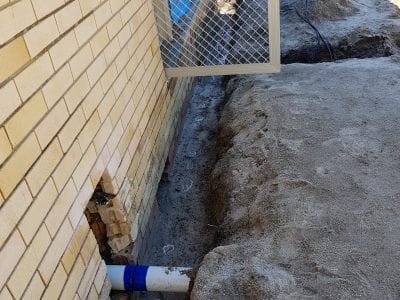
- Seal all cracks and holes in your home’s foundation, which may provide a handy access point for termites.